
Free shipping for orders over $75
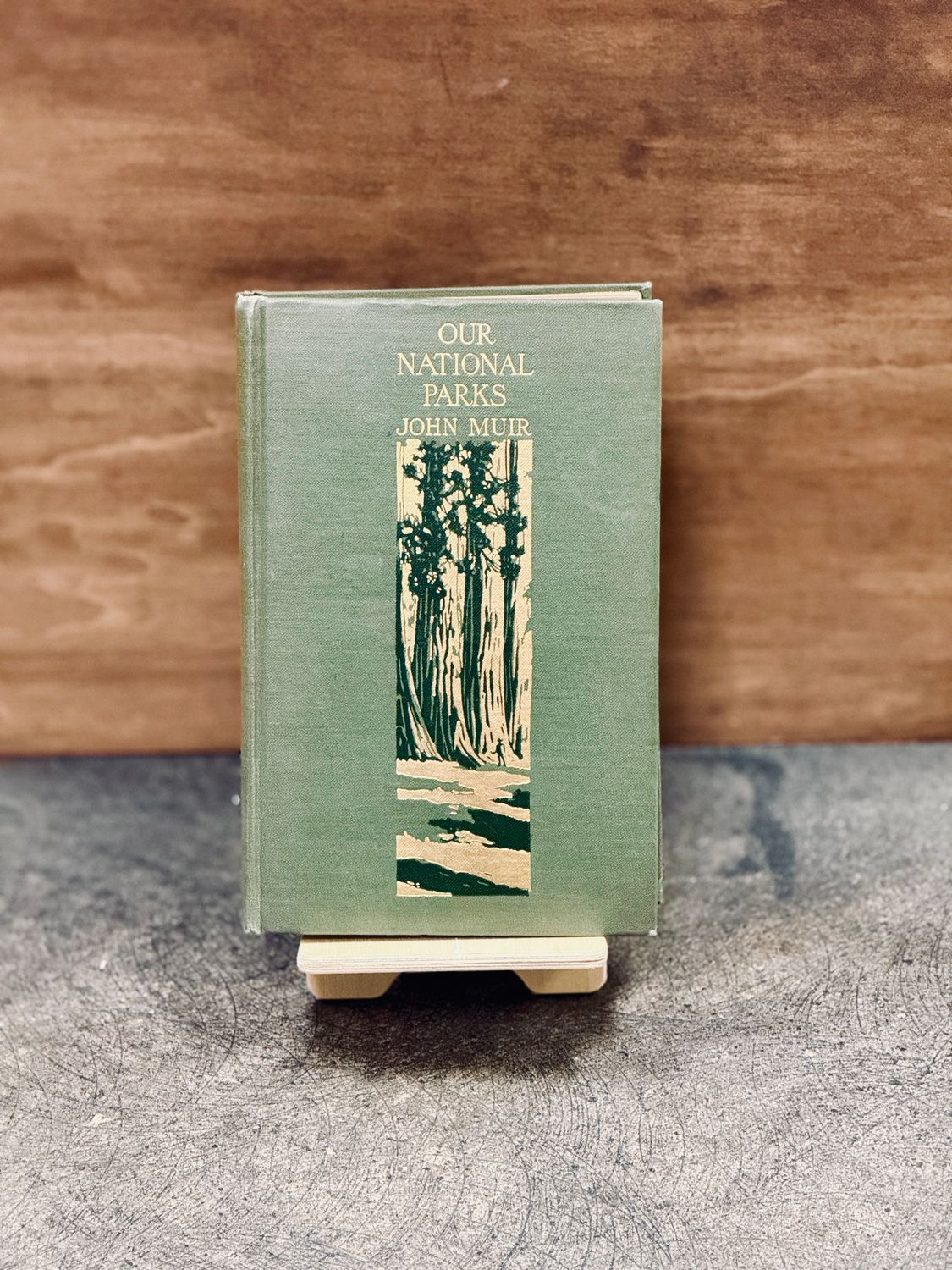
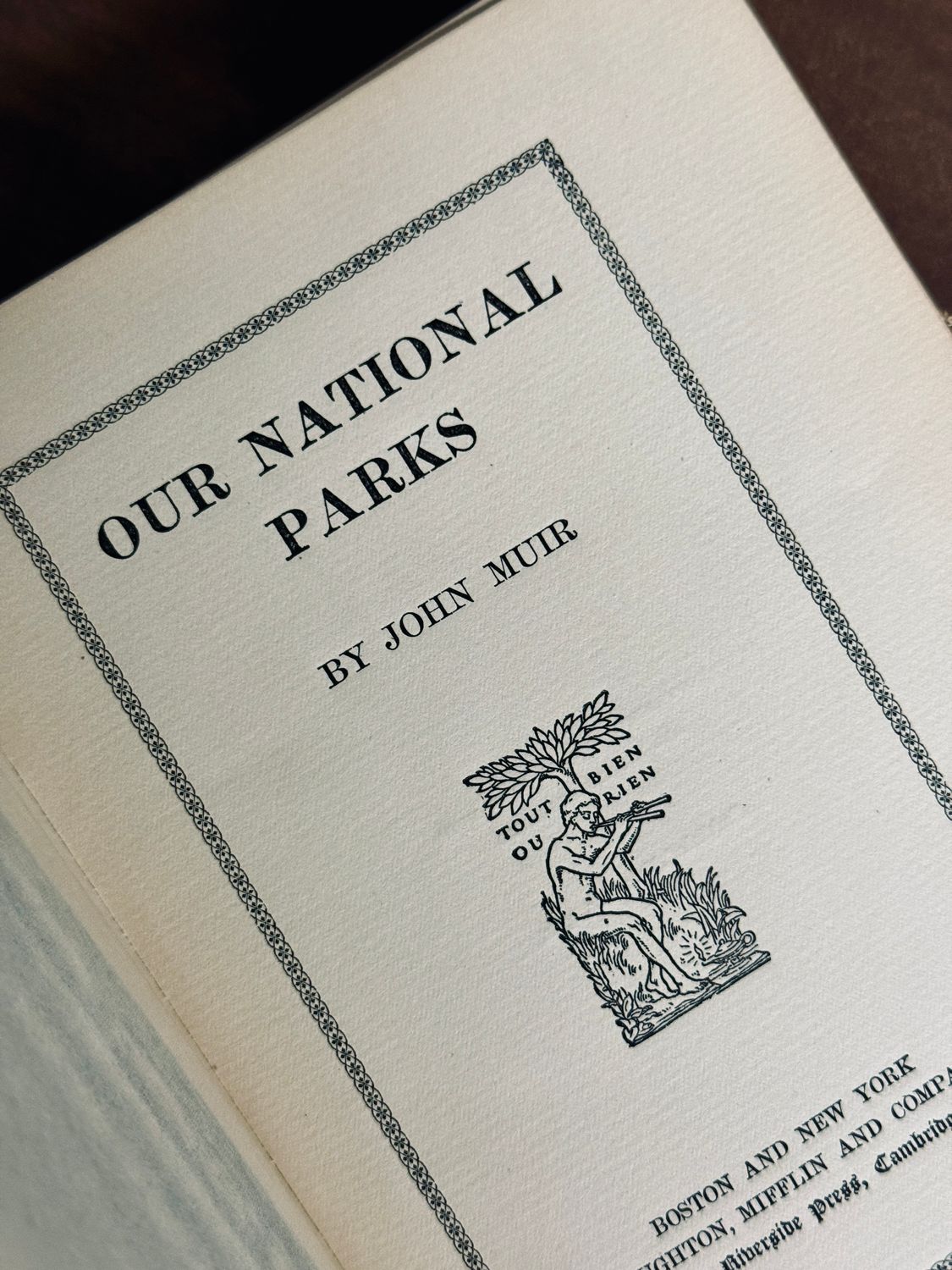
Our National Parks by John Muir (1901 Houghton Mifflin First Edition Hardcover, Presentation Inscription to P. G. Gates, 1908)
$6 250.00
In stock: 1 available
Product Details
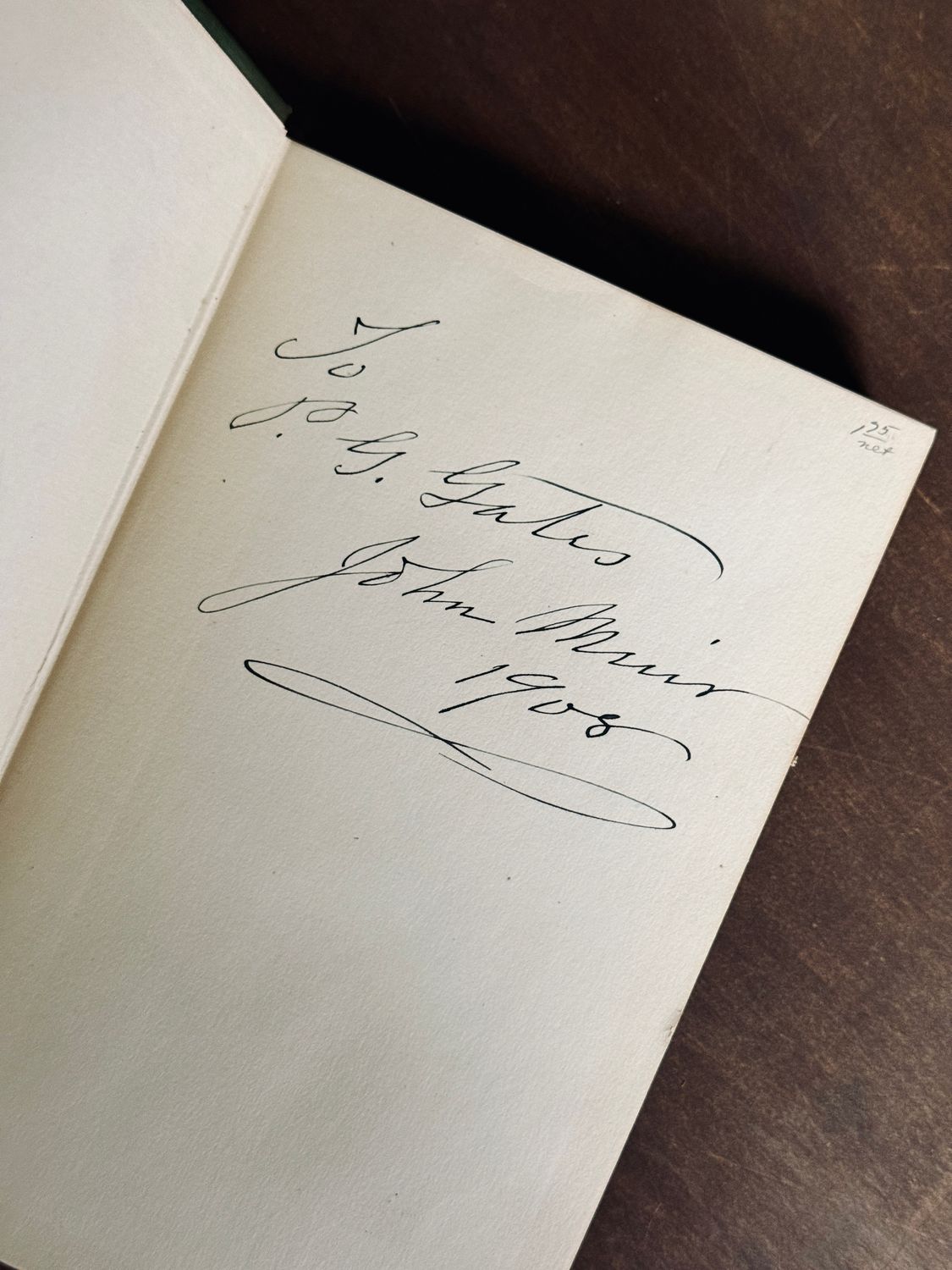
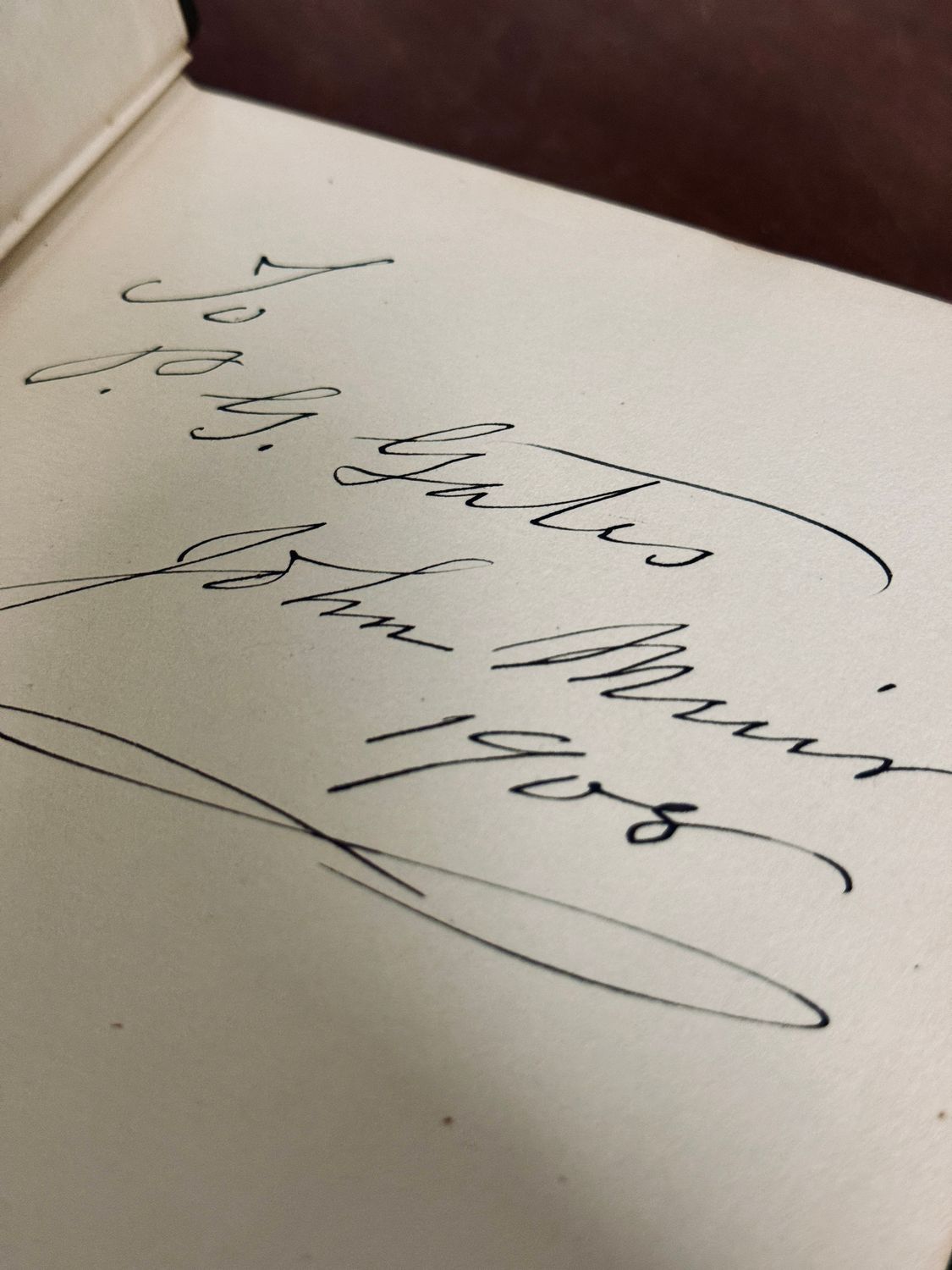
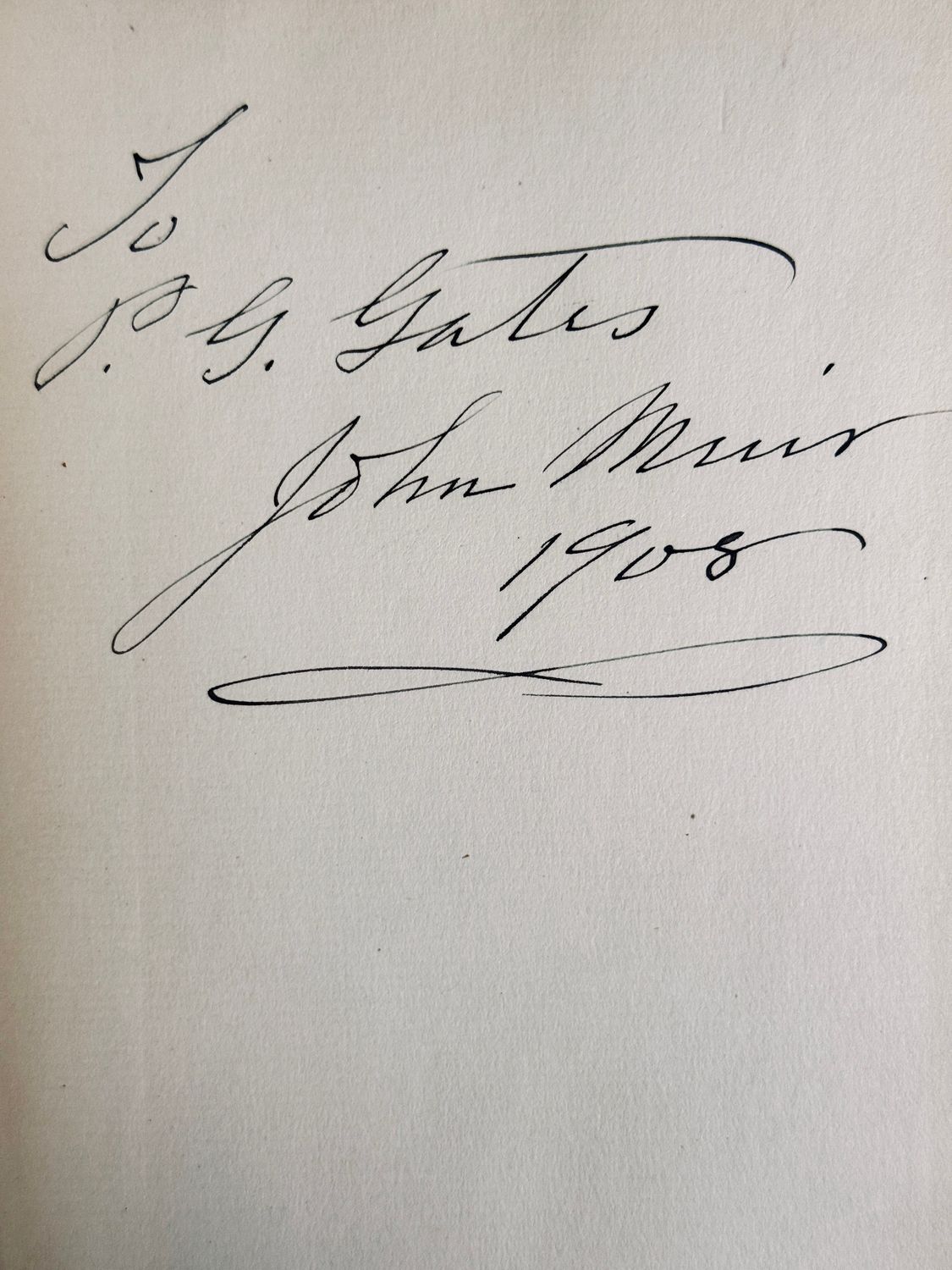
A remarkable first edition of Our National Parks by John Muir, published in 1901 by Houghton, Mifflin and Company, boldly inscribed by Muir in 1908 to “P. G. Gates.” This is a true presentation inscription, meaning the author personally gave this copy to a named recipient — a significantly more desirable form of autograph than a standalone signature.
The inscription reads:
“To P. G. Gates — John Muir — 1908”
The recipient is very likely Peter Goddard Gates (1855–1925), a wealthy lumber businessman, philanthropist, and scientific expedition patron who retired to South Pasadena around 1900. Gates funded and participated in Smithsonian-related expeditions in the American Southwest, including exploration work near the headwaters of the Gila River. His interests in wilderness, conservation, and exploration placed him directly within the same intellectual and geographic circles as John Muir during the early 1900s.
By 1908 — the date of this inscription — John Muir was actively traveling California, leading Sierra Club outings, meeting patrons and supporters, and inscribing books. Gates, meanwhile, was living in Southern California and supporting scientific and naturalist work throughout the West. Their overlap in time, geography, and shared conservation interests strongly supports a real-world meeting in which Muir personally presented this book to Gates.
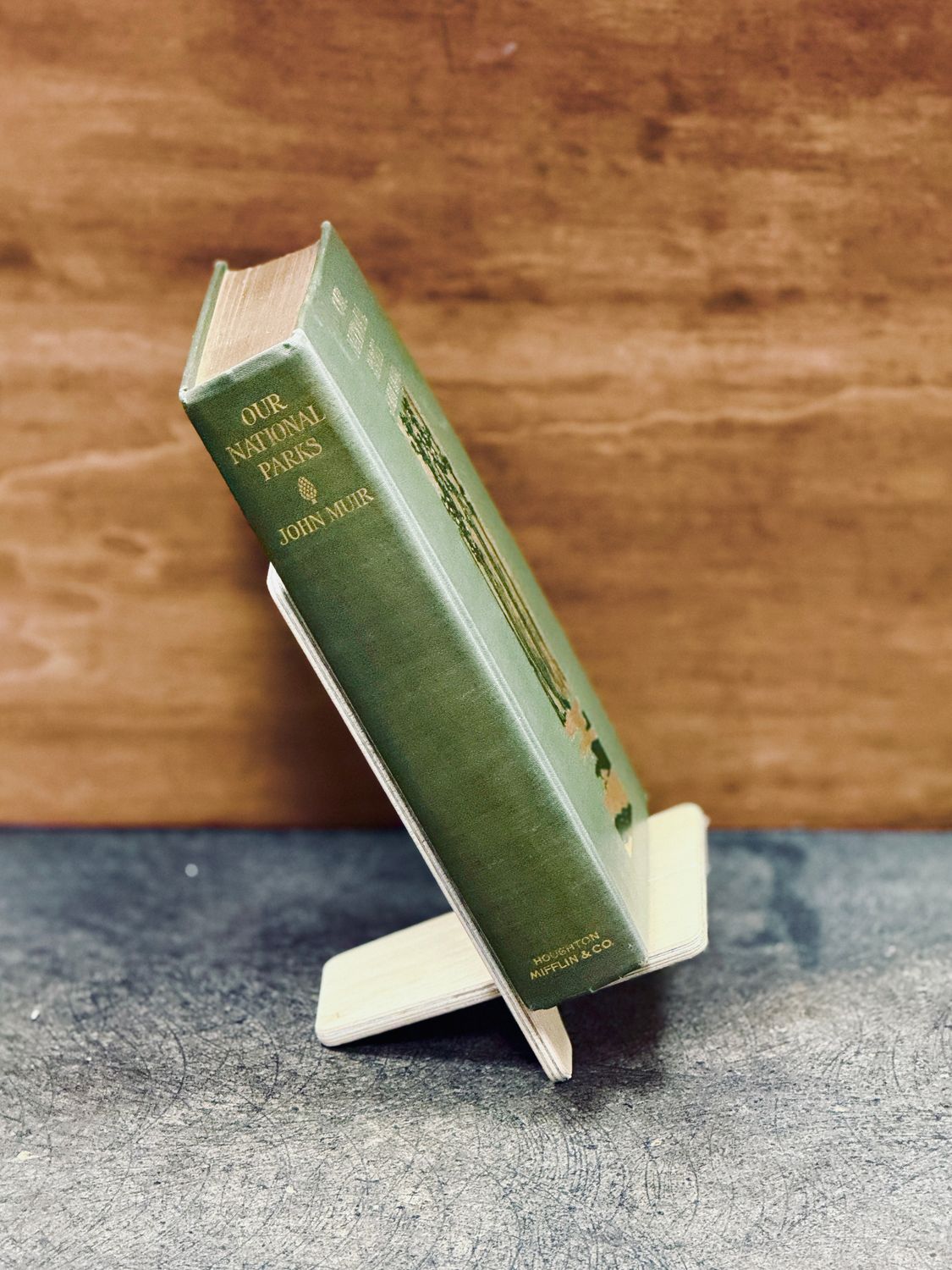
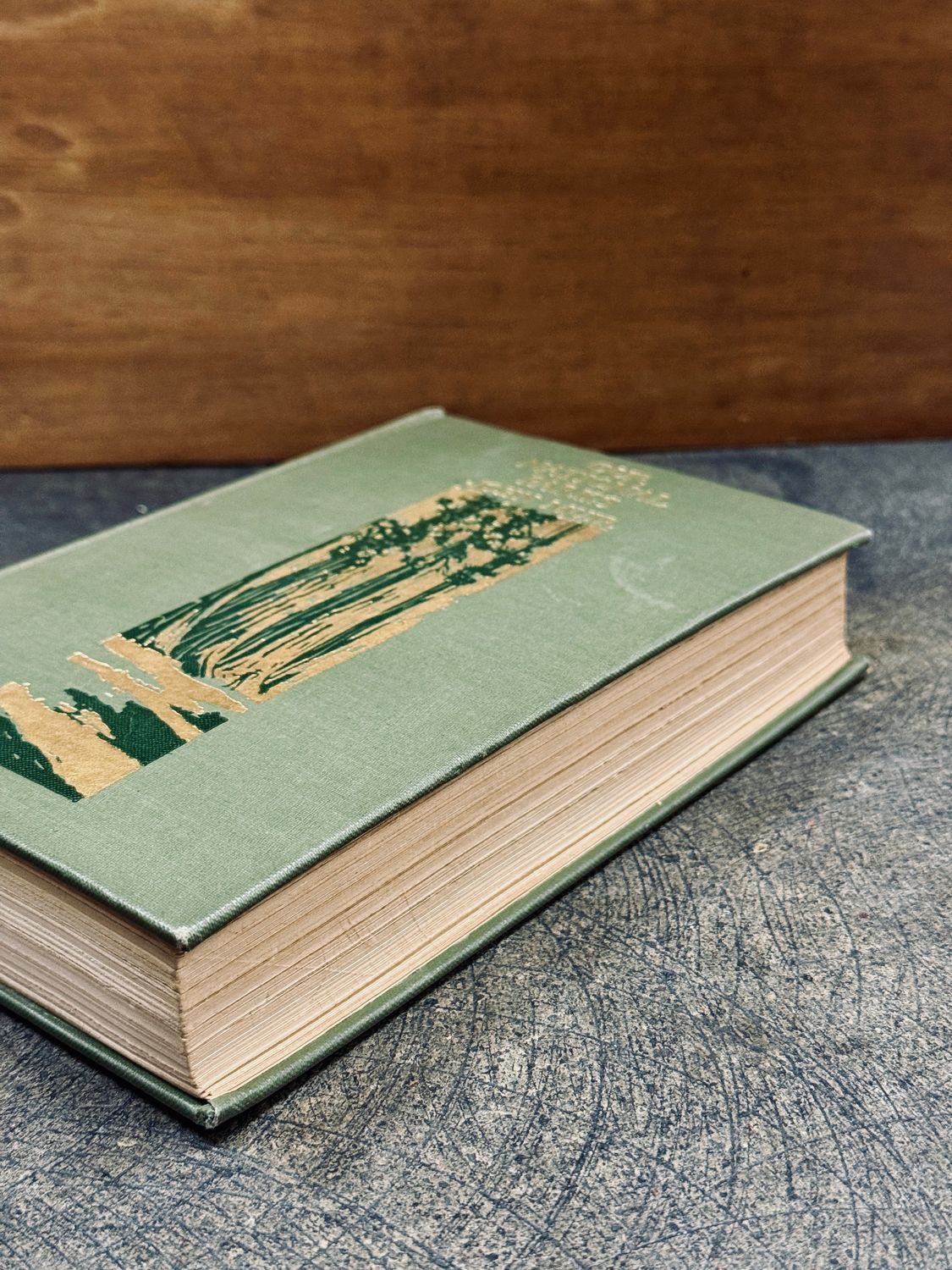
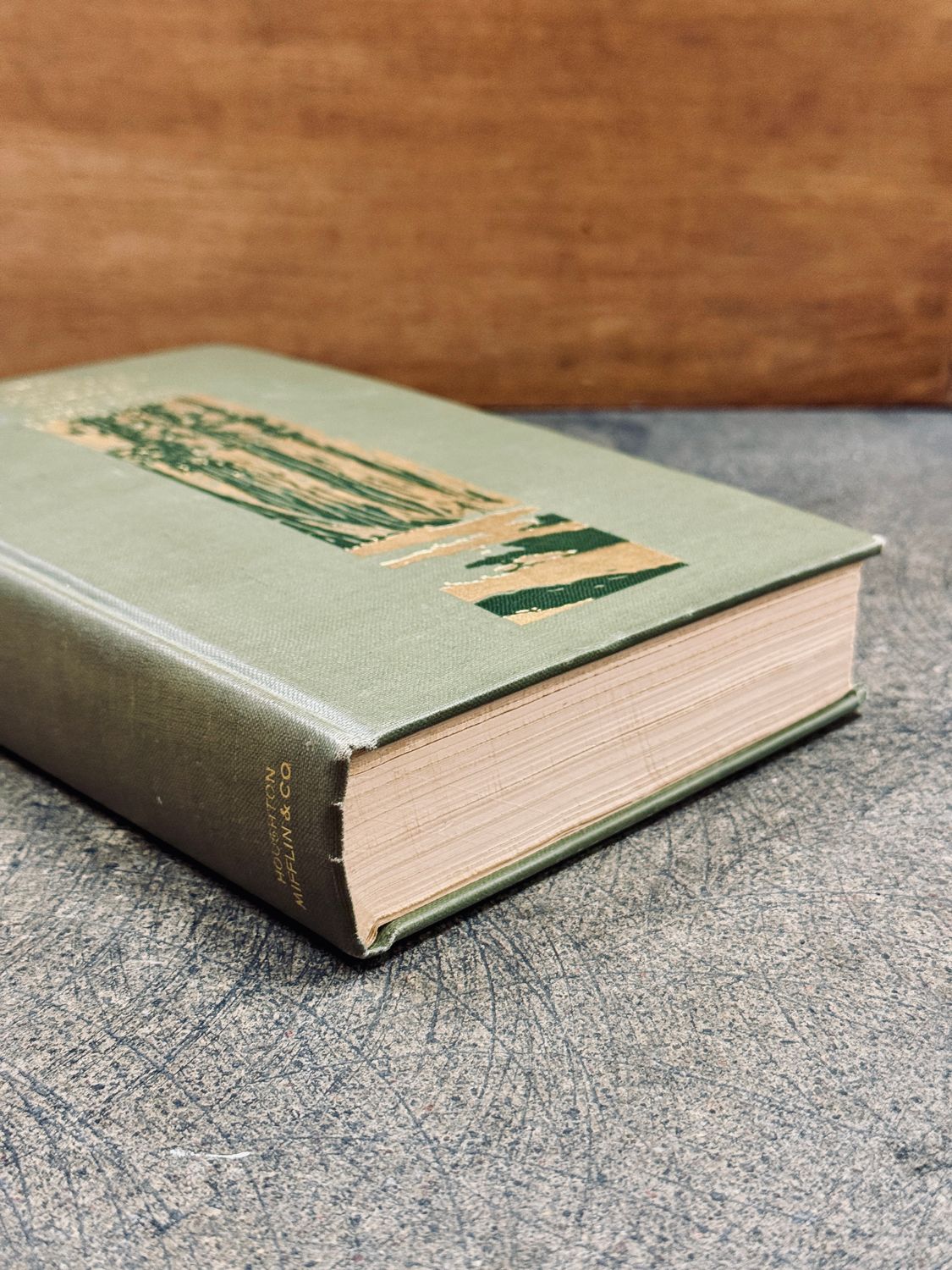
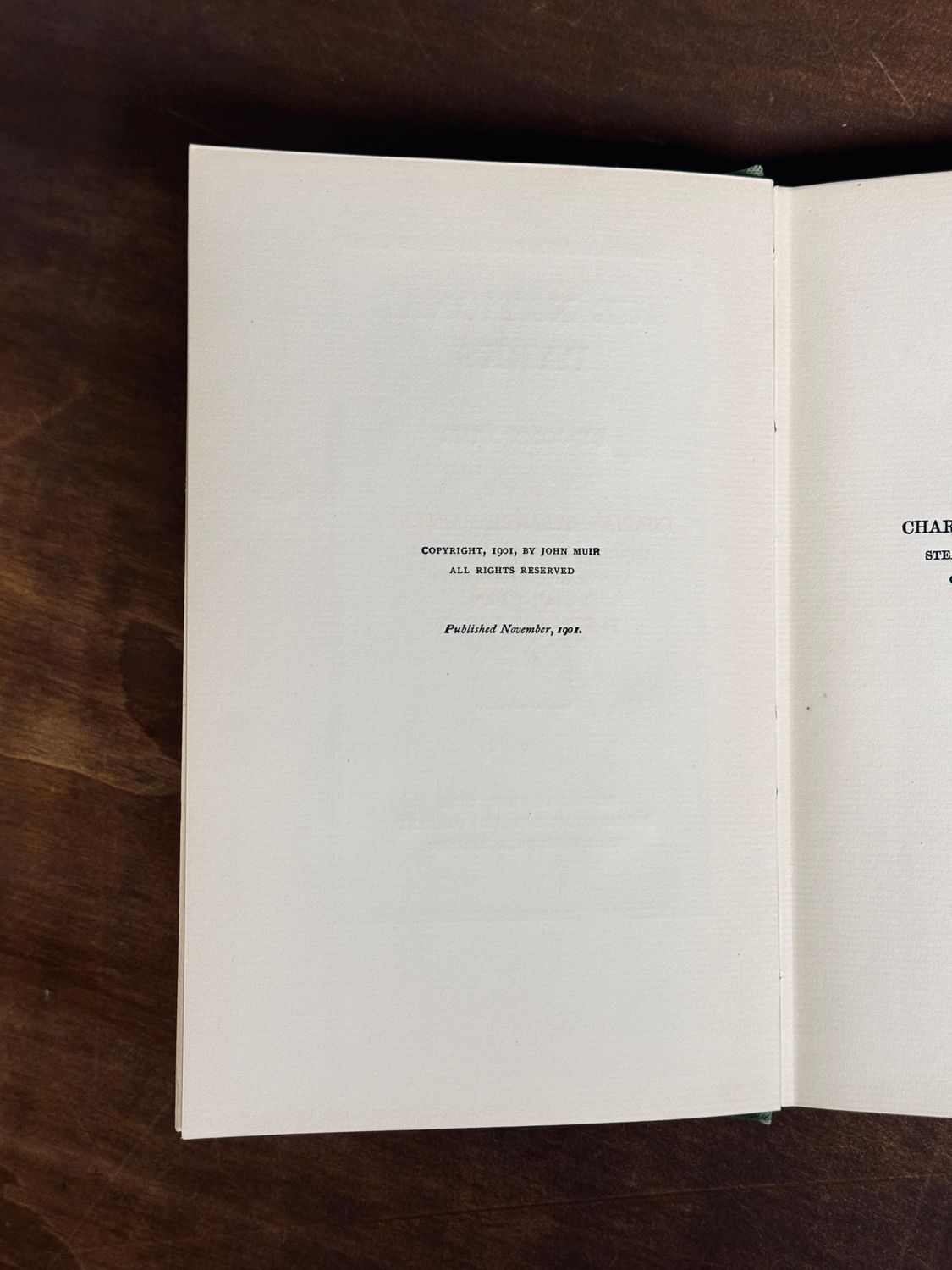
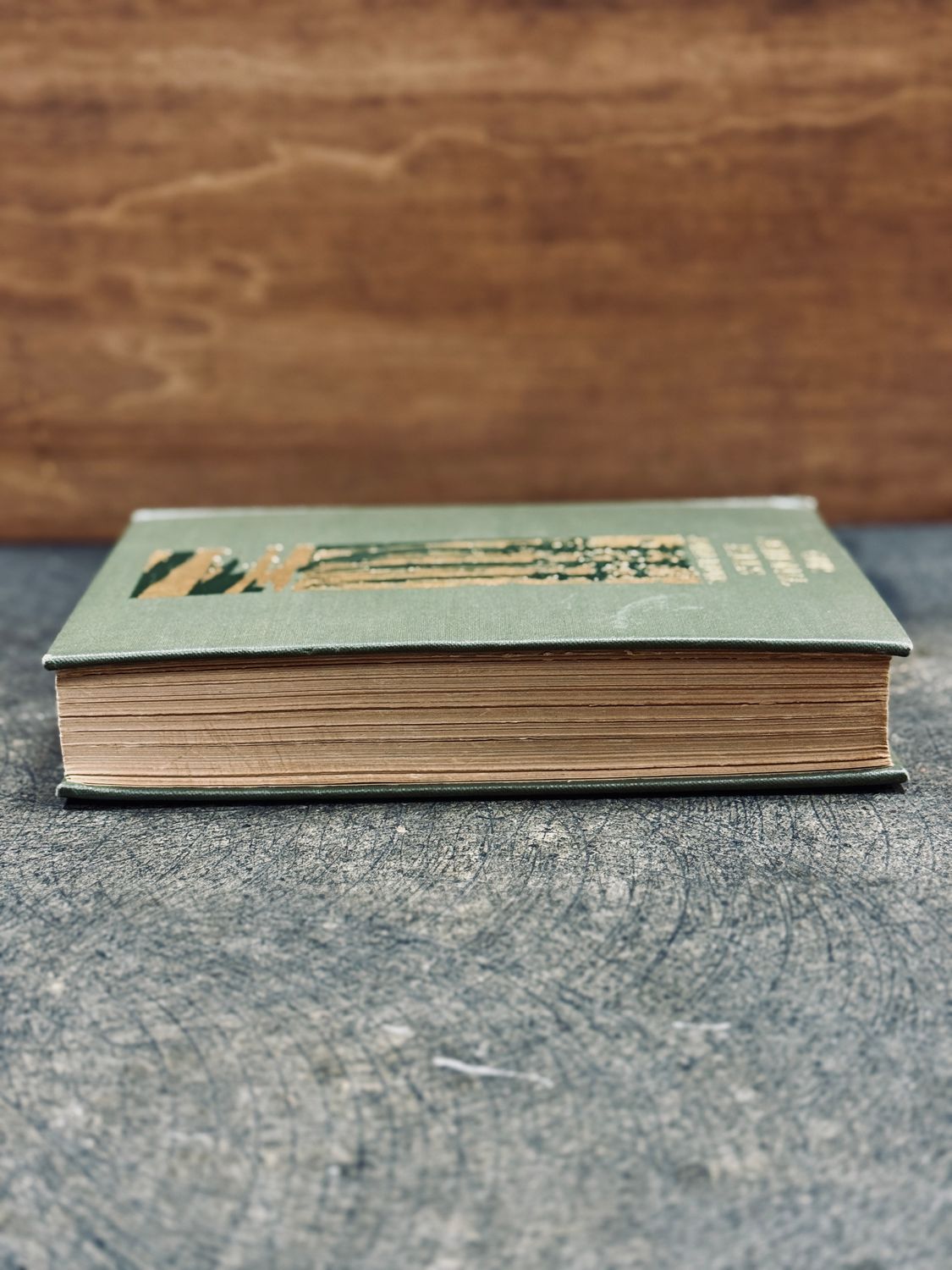
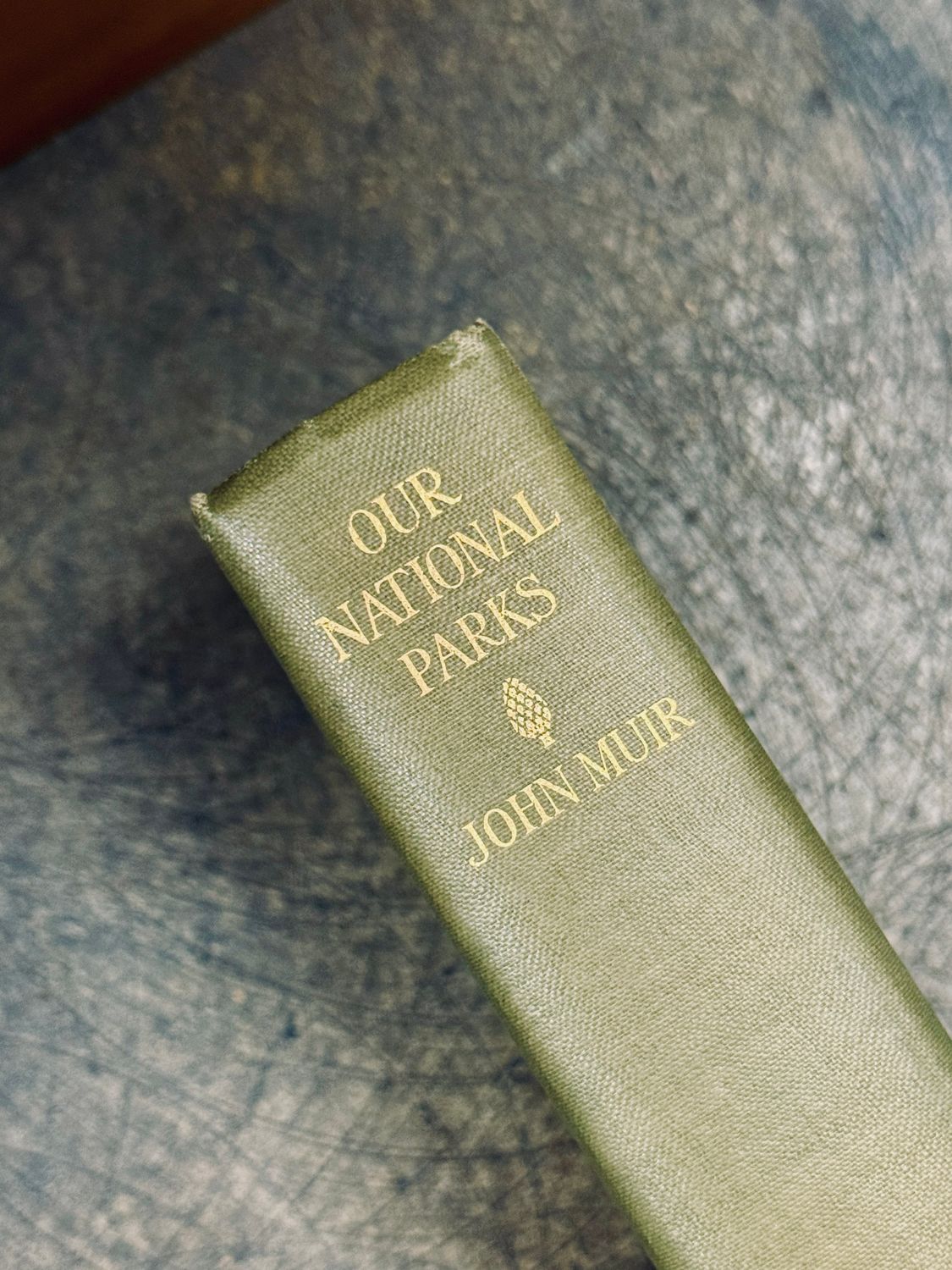
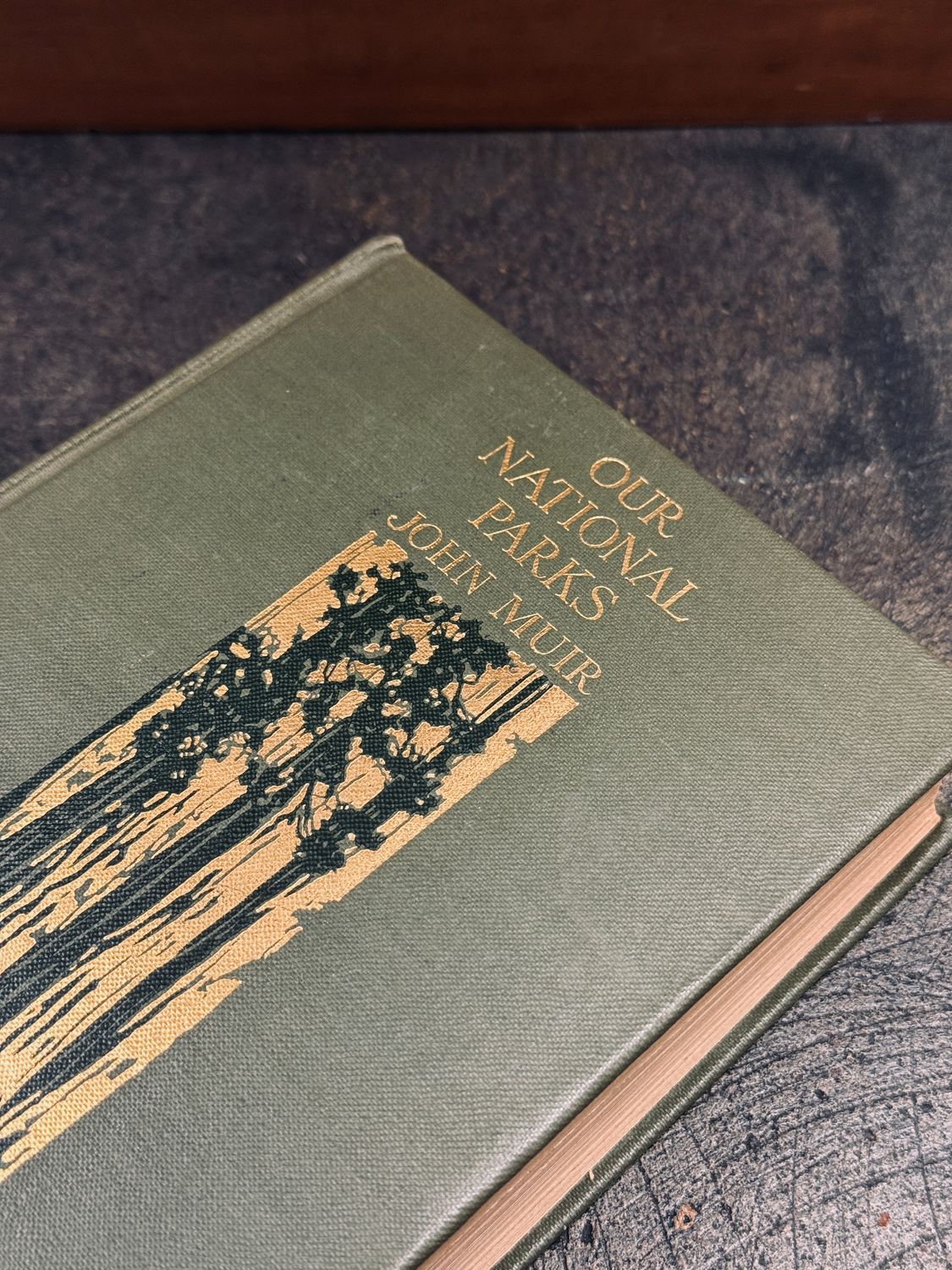
The book itself is the November 1901 first edition, featuring the classic olive-green cloth binding with gilt lettering and the iconic gilt Yosemite tree vignette on the front cover. Spine retains bright gilt titles with pinecone device. Binding is tight and square with clean interior pages. A small handwritten bookseller notation appears on the front endpaper, likely an early retail price marking.
Our National Parks is one of Muir’s most important works — a passionate argument for preservation that helped shape the American conservation movement and the expansion of the national park system. Copies signed by Muir are scarce; presentation copies with identifiable historical recipients are significantly rarer and more desirable.
This example combines:
• First edition (November 1901)
• Author presentation inscription dated 1908
• Identifiable historical recipient (Peter Goddard Gates)
• Strong conservation-era historical context
• Attractive original publisher’s cloth
An exceptional association copy linking two figures connected by early 20th-century Western exploration, conservation, and scientific patronage.
Provenance & Likely Chain of Custody
Following John Muir’s 1908 presentation to Peter Goddard Gates, the book likely remained in Gates’s personal library in Southern California until his death in 1925. From there, it appears to have passed either through the Gates family estate or into the hands of a Pasadena-area book collector or dealer, where it quietly circulated for decades. In the 1980s, a descendant of John Muir reportedly encountered and acquired the book while conducting family genealogy research, recognizing both the signature and historical connection. The volume remained in that family for many years before being passed down to the descendant’s son and daughter-in-law, from whom Big Story ultimately acquired the book — preserving a remarkable chain of custody spanning from Muir himself, to a conservation-era patron, to a Muir family descendant, and now to the present.
Historical Context Images Included
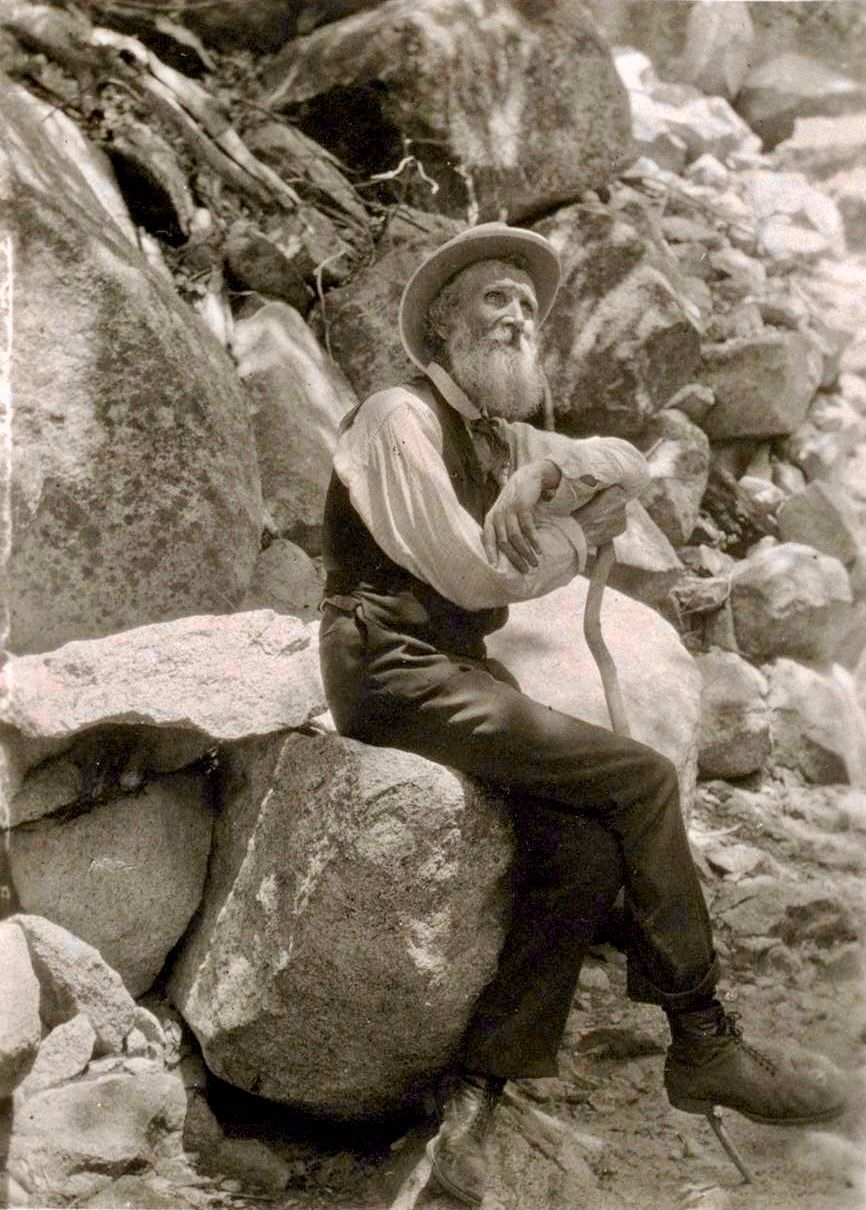
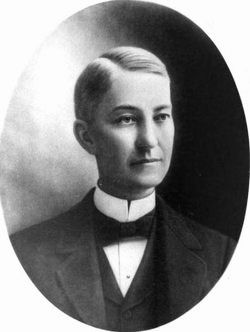
Included with the listing are two historically relevant reference images that help bring the story of this book to life. The first shows John Muir in Yosemite in 1908 — the same year he inscribed this copy to P. G. Gates — during a period when Muir was actively traveling California, meeting supporters, and presenting books. The second is a rare portrait of Peter Goddard Gates, the likely recipient of this presentation copy — a wealthy timber businessman, scientific expedition patron, and Western conservation-era figure whose interests overlapped directly with Muir’s world. Together, these images visually connect the author and recipient at the exact moment in history when this remarkable presentation copy likely changed hands.
Rarity & Surviving Signed Copies
Signed material from John Muir is widely regarded as scarce, with experts estimating that only a few hundred to perhaps around one thousand authentic Muir signatures survive across all formats, the majority of which exist in letters, documents, and archival material rather than books. Of those, only a fraction — likely a few hundred at most — are contained within signed books. At any given time, the number of signed John Muir books available on the open market is extremely limited, often fewer than a dozen worldwide, with true presentation copies appearing far less frequently. Examples that combine a first edition, a presentation inscription, and an identifiable historical recipient represent the highest tier of rarity within Muir material and are seldom encountered in active circulation.
Our National Parks by John Muir (1901 Houghton Mifflin First Edition Hardcover, Presentation Inscription to P. G. Gates, 1908)